
Do You Really Need to Go Under the Knife?
Knee Decompression vs Knee Surgery.
Knee surgery, especially knee replacement, is one of the most common orthopedic procedures in the country. It's effective for severe cases. But it comes with weeks of recovery, risks of complications, and significant cost. Knee decompression therapy treats many of the same conditions without incisions, anesthesia, or downtime. If you've been told you need knee surgery or you're trying to avoid it, here's an honest comparison of both options.
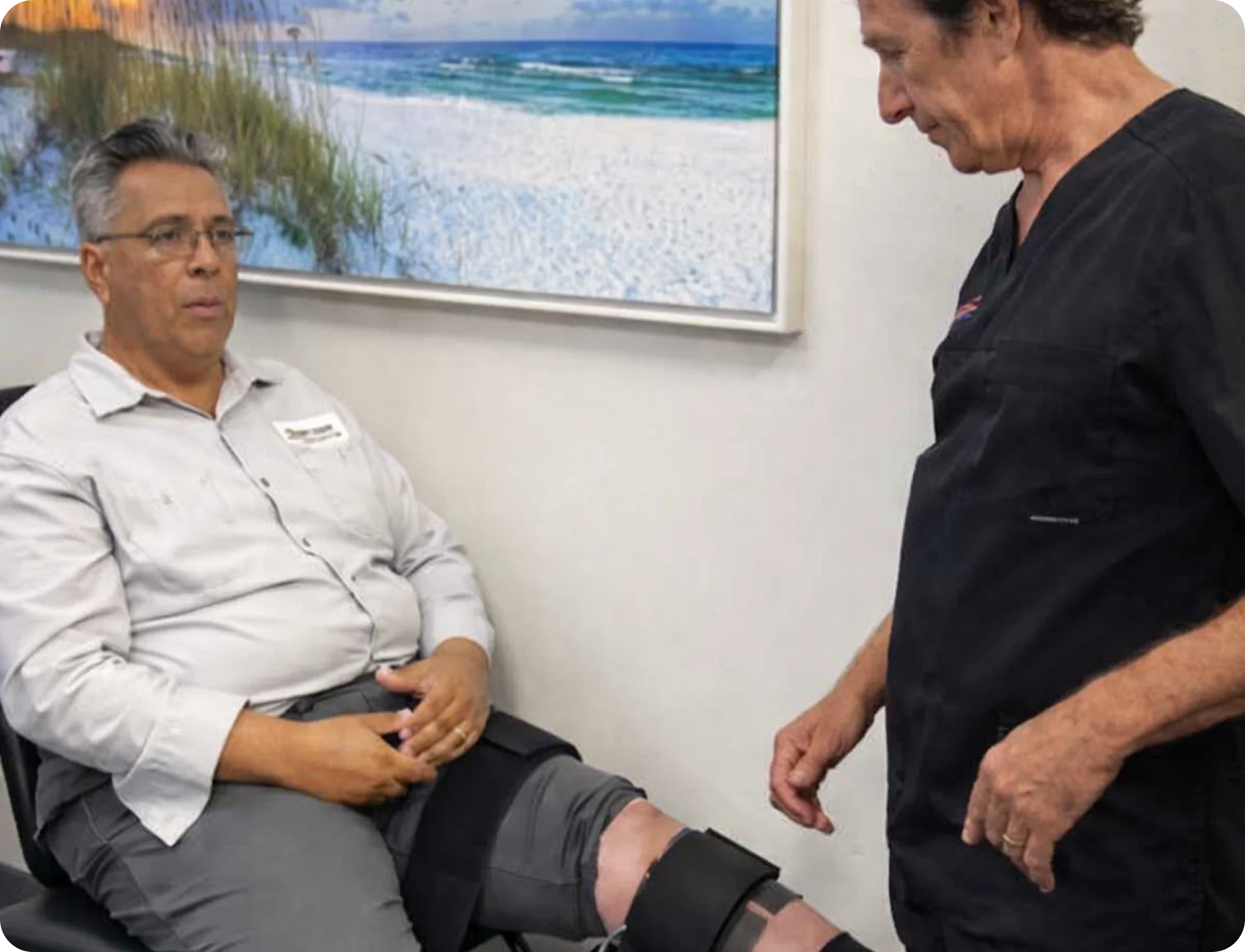
How Does Knee Decompression Work?
The Knee-On-Trac system gently separates the knee joint using computer-controlled traction. This creates space inside the joint, relieves pressure on cartilage and meniscus tissue, increases circulation, and promotes the body's natural healing response. Sessions last 20 to 30 minutes and are typically painless.
At Novaré Injury Care and Rehab, we combine knee decompression with laser therapy, chiropractic care, and rehabilitative exercises for a multi-angle approach to knee pain. Dr. Bracic evaluates your condition with diagnostic imaging before recommending a treatment path.
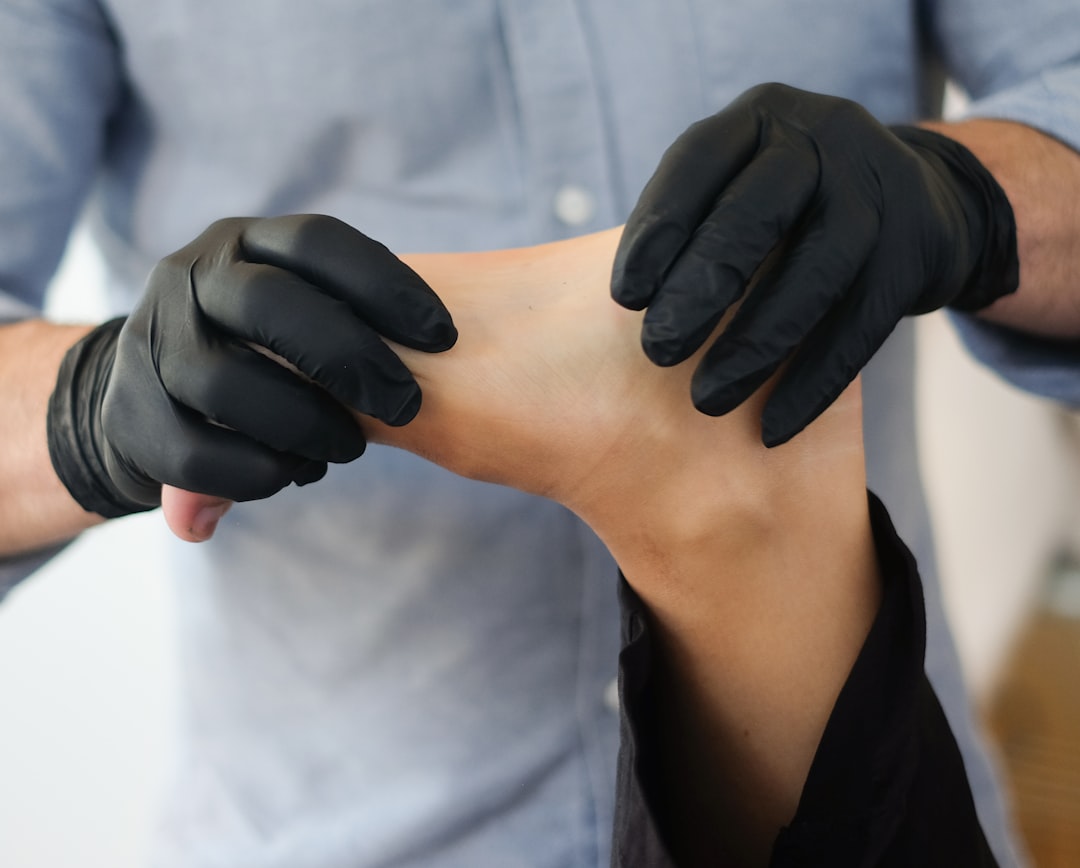
How Does Knee Surgery Work?
Common surgical options include knee replacement (total or partial), arthroscopic surgery, and osteotomy. All require anesthesia, recovery time, and carry risks of complications including infection, blood clots, nerve damage, and implant failure.
Knee Replacement
Removes damaged bone and cartilage, replaces with metal and plastic components. Total or partial options available. Recovery: 2 to 6 months.
Arthroscopic Surgery
Small incisions with a camera to repair torn meniscus, remove loose cartilage, or clean up the joint. Least invasive surgical option.
Osteotomy
Reshapes the bone to shift weight off the damaged area. Often used to delay knee replacement in younger patients.
Honest Limitations
Decompression isn't effective for severe structural damage or bone-on-bone arthritis. It requires multiple sessions. Results vary based on severity and duration of the condition. But it can delay surgery significantly.
Side-by-Side Comparison
How knee decompression and knee surgery compare on the factors that matter most.
| Factor | Knee Decompression | Knee Surgery |
|---|---|---|
| Invasiveness | Non-invasive, no incisions | Surgical, requires anesthesia |
| Recovery | None, walk out same day | 2 weeks to 6 months |
| Risks | Minimal | Infection, blood clots, nerve damage, implant failure |
| Cost | Fraction of surgery cost | $30,000 to $80,000+ for replacement |
| Best for | Osteoarthritis, meniscus tears, chronic knee pain | Severe joint damage, bone-on-bone, structural failure |
| Repeat treatment | Safe to repeat | Revision surgery is higher risk |
| Pain during treatment | Typically painless | Post-surgical pain for weeks |
When Is Knee Decompression Worth Trying?
Decompression is a strong option when your knee problem doesn't require immediate surgical intervention.
- Knee osteoarthritis causing stiffness and pain but not severe structural failure
- Meniscus tears from injury or degenerative wear
- Post-surgical knee pain that hasn't fully resolved
- Chronic knee pain that hasn't responded to injections or PT alone
- You want to exhaust non-surgical options before committing to surgery
When Is Knee Surgery Necessary?
Surgery is essential when conservative treatments have been thoroughly tried and the structural damage is too severe for non-surgical approaches.
- Severe bone-on-bone arthritis with no remaining cartilage
- Structural damage that prevents normal joint function
- Ligament tears requiring surgical reconstruction (ACL, PCL)
- Progressive deformity or instability
- Conservative treatments have been thoroughly tried and failed
Your Best Self Is Calling
Not sure where to start? Use our virtual consultation tool to share your concerns and get recommendations from home.
Two Convenient Locations Serving Southwest Florida
Same-day appointments at both locations.
Service Area
Nuestro personal habla inglés y español.
Most Popular Treatments
Chiropractic Care
Spinal adjustments, Cox Flexion Distraction, Pro Adjuster SRT.
Spinal Decompression
Non-surgical disc treatment using the DRX9000 and AccuSpina. MRI required.
Accident Care
Auto accident, workplace, and sports injury treatment.
Laser Therapy
AI-guided Class IV lasers for tissue repair.
Diagnostic Imaging
Digital x-rays with MRI coordination.
Manual Therapy
Myofascial release, joint mobilization.