
Which One Should You See?
Chiropractor vs Physical Therapist.
If you're dealing with back pain, neck stiffness, sciatica, or a sports injury, you've probably wondered whether to see a chiropractor or a physical therapist. Both treat musculoskeletal problems. Both can help with pain. But they work differently, and the right choice depends on what's actually causing your symptoms.
At Novaré Injury Care and Rehab in Fort Myers, we offer both chiropractic care and manual therapy under one roof, so patients don't have to choose one or the other. But understanding the difference helps you know what to expect.
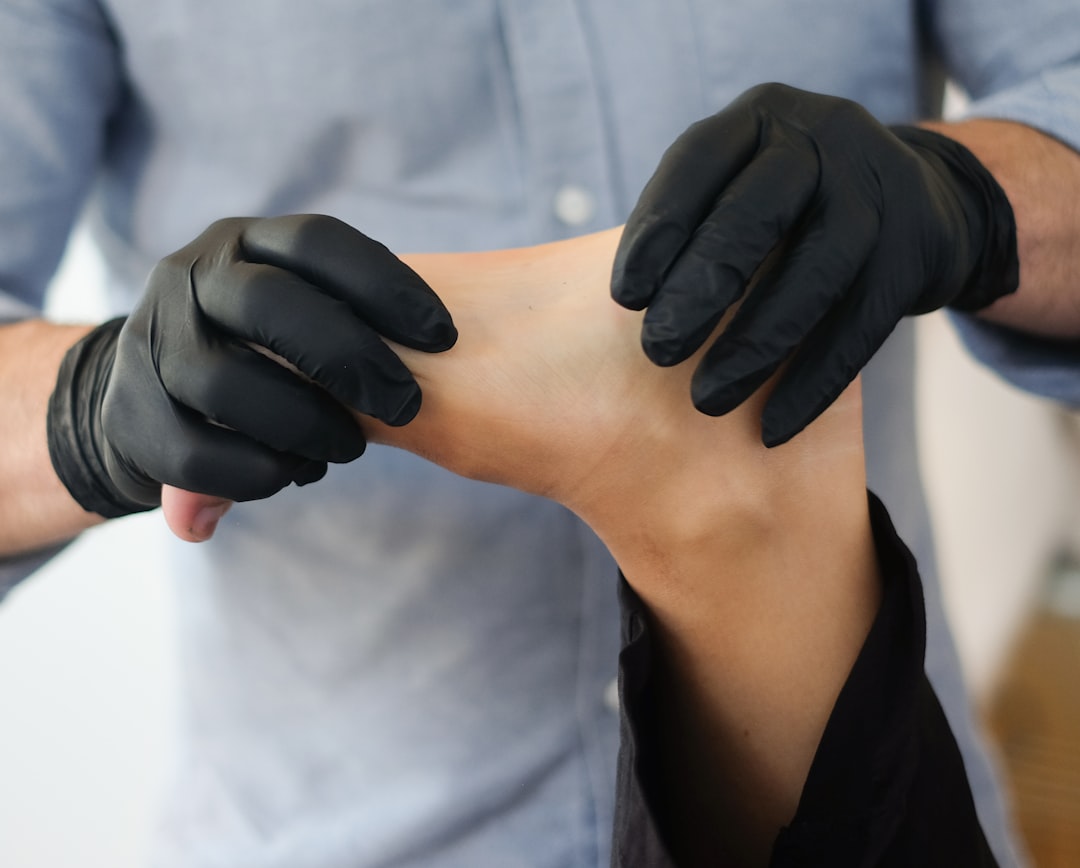
What Does a Chiropractor Do?
A chiropractor focuses on the alignment of the spine and joints. The primary tool is the spinal adjustment, a controlled, precise force applied to a joint to restore proper movement and position. When vertebrae are misaligned or joints aren't moving correctly, they can compress nerves, cause muscle spasms, and create pain that radiates into the arms or legs.
Chiropractic care is often best for:
- Acute back or neck pain from misalignment
- Sciatica from nerve compression
- Headaches originating from cervical spine tension
- Whiplash and auto accident injuries
- Joint stiffness that limits range of motion
At Novaré, Dr. Ivan Bracic uses digital x-rays before adjusting to confirm what's happening structurally. He also offers instrument-assisted adjustments (Pro Adjuster SRT) for patients who prefer a gentler approach.

What Does a Physical Therapist Do?
A physical therapist focuses on restoring movement and function through exercise, stretching, and hands-on techniques. PT is typically a longer process that builds strength, improves flexibility, and retrains movement patterns over weeks or months.
Physical therapy is often best for:
- Post-surgical rehabilitation
- Chronic conditions requiring long-term strengthening
- Balance and coordination problems
- Gradual return-to-sport programs
PT tends to be more exercise-based, with the therapist guiding you through specific movements and assigning homework between sessions.
Chiropractor
Spinal adjustments, joint manipulation. Best for acute pain, alignment issues, nerve compression. Often immediate or within days for relief.
Physical Therapist
Exercise, stretching, movement training. Best for rehabilitation, strengthening, long-term recovery. Gradual improvement over weeks.
The Key Distinction
Chiropractors fix the structural problem. Physical therapists rebuild the function around it. Both address the musculoskeletal system from different angles.
Novaré: Both Under One Roof
Dr. Bracic combines chiropractic adjustments with manual therapy and rehabilitative exercises. One team, one plan, one location.
Side-by-Side Comparison
How chiropractors and physical therapists compare on the factors that matter most.
| Factor | Chiropractor | Physical Therapist |
|---|---|---|
| Primary method | Spinal adjustments, joint manipulation | Exercise, stretching, movement training |
| Best for | Acute pain, alignment issues, nerve compression | Rehabilitation, strengthening, long-term recovery |
| Session length | 15-30 minutes typically | 30-60 minutes typically |
| Speed of relief | Often immediate or within days | Gradual improvement over weeks |
| Number of visits | Varies, often fewer for acute issues | Often 2-3x/week for several weeks |
| Imaging | Some chiropractors use x-ray/MRI | Rarely use imaging |
| Insurance | Often covered, varies by plan | Usually covered with referral |
When Should You See a Chiropractor?
See a chiropractor first if your pain came on suddenly or has a structural cause.
- Your pain came on suddenly (you woke up with a stiff neck, threw out your back)
- Pain radiates into your arms or legs (suggests nerve involvement)
- You were in a car accident or had an injury
- You hear or feel clicking, popping, or grinding in your spine
- You've been sitting at a desk for years and your posture has shifted
Chiropractic adjustments can provide fast relief for structural problems. If the issue is a joint that's not moving correctly or a nerve that's being compressed, an adjustment targets that directly.
When Should You See a Physical Therapist?
See a physical therapist first if your condition requires rebuilding strength or retraining movement patterns.
- You're recovering from surgery (knee replacement, rotator cuff repair)
- You need to rebuild strength after a long period of inactivity
- Your pain is related to weak muscles rather than joint alignment
- You need a structured exercise program for a chronic condition
- You're an athlete returning to sport after injury
PT excels at the rebuilding phase. Once the acute problem is addressed, physical therapy helps you stay better.
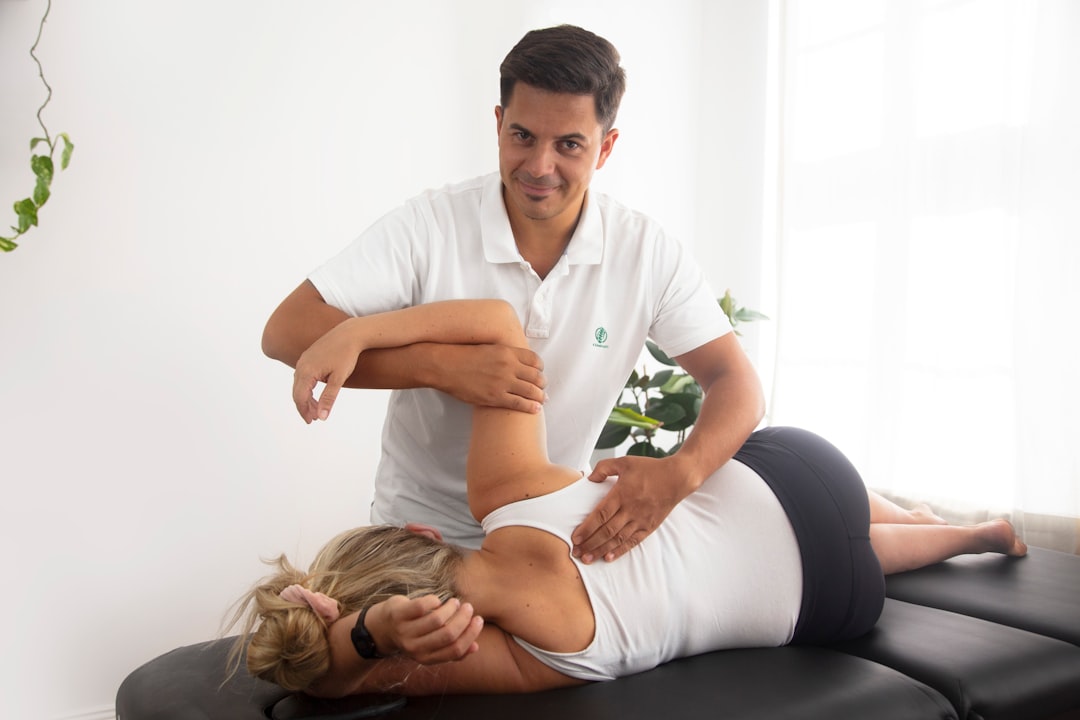
Can You Benefit from Both?
Yes. And many patients do.
A common pattern we see at Novaré: a patient comes in after an auto accident with whiplash. Dr. Bracic adjusts the cervical spine to restore alignment and relieve nerve pressure. Then manual therapy and rehabilitative exercises address the soft tissue damage and rebuild stability around the corrected joints.
This combination approach treats the structural problem (chiropractic) and the functional problem (rehabilitation) at the same time. It's why patients at our Fort Myers and Lehigh Acres clinics often recover faster than those who only pursue one type of care.
We also combine these with Class IV laser therapy and shockwave therapy when the injury involves soft tissue damage that neither adjustments nor exercises alone can resolve.
Your Best Self Is Calling
Not sure where to start? Use our virtual consultation tool to share your concerns and get recommendations from home.
Chiropractor vs Physical Therapist Questions Answered
Get clear answers about choosing between chiropractic and physical therapy.
Two Convenient Locations Serving Southwest Florida
Same-day appointments at both locations.
Service Area
Nuestro personal habla inglés y español.
Most Popular Treatments
Chiropractic Care
Spinal adjustments, Cox Flexion Distraction, Pro Adjuster SRT.
Spinal Decompression
Non-surgical disc treatment using the DRX9000 and AccuSpina. MRI required.
Accident Care
Auto accident, workplace, and sports injury treatment.
Laser Therapy
AI-guided Class IV lasers for tissue repair.
Diagnostic Imaging
Digital x-rays with MRI coordination.
Manual Therapy
Myofascial release, joint mobilization.